
Owning a home comes with the responsibility of maintaining one of its most critical components—your roof. The roof serves as your property’s first line of defense against harsh elements, shielding you and your loved ones from rain, wind, snow, and the blazing sun. Over time, exposure to ever-changing weather and natural wear can lead to several roofing repairs that every homeowner should be prepared for. Maintaining the health of your roof is not just about ensuring your home looks good from the outside; it’s also essential for safeguarding your family and valuable assets against costly problems like water damage, energy loss, compromised insulation, and a range of other structural concerns that can easily spiral out of control if left unattended. Recognizing that your roof is a significant financial investment highlights the need for ongoing care and attention.
Knowing the most frequent roof repair issues can help you take proactive steps to preserve your roof’s integrity and value. Being informed about these challenges enables you to identify early warning signs, determine when to tackle maintenance yourself, and recognize when it’s time to call a professional. Proactivity in roofing care is often the key to minimizing disruption and avoiding costly repairs. Furthermore, basic roof literacy helps homeowners discuss issues accurately and make informed decisions when repairs or replacements are needed, often saving thousands of dollars on preventable problems down the line.
Leaky Roofs
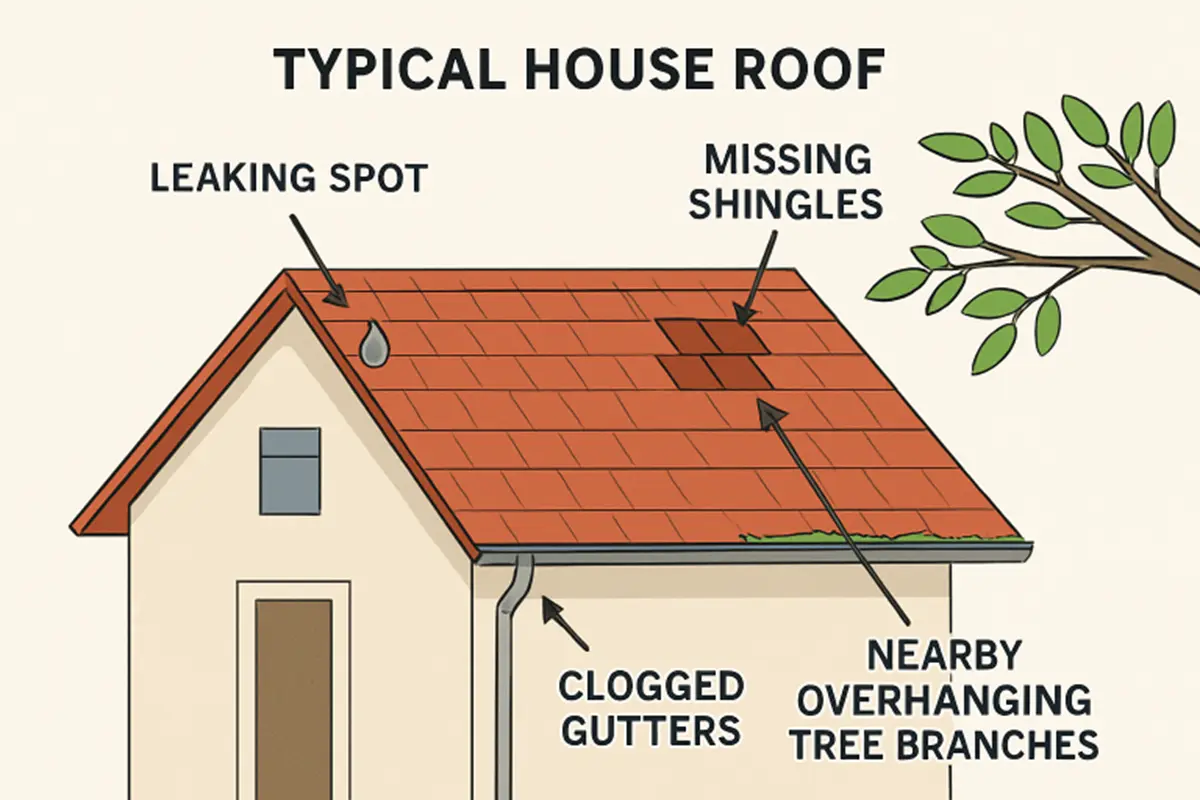
One of the most common and potentially destructive roof problems is leaks. Leaks frequently develop due to aging materials, broken or missing shingles, deteriorated flashing, or improper sealing around roof penetrations, such as chimneys or vents. Other causes include cracked vent boots, clogged gutters, or damaged skylights. Water stains on ceilings or walls, peeling paint, damp insulation, unusual smells, or visible moisture in the attic are all signs of trouble that should not be ignored. Even a small leak can compromise wood framing, cause drywall to sag, and harm electrical wiring—issues that, unchecked, may lead to wood rot, electrical hazards, or hazardous mold infestations. Immediate action is critical because water damage tends to escalate quickly, making small repairs more affordable than large-scale restoration down the line.
Damaged or Missing Shingles
Over time, strong winds, hailstorms, and constant UV radiation can cause shingles to crack, curl, tear, or dislodge, sometimes blowing them completely off the roof. Even small areas of missing granules or lifted edges can leave your underlying roof deck exposed to moisture and further degradation. These vulnerabilities tend to worsen with each season of freeze-thaw cycles, heavy rain, and sun exposure, often leading to leaks or premature roof aging. Ignoring even minor shingle issues can reduce the overall lifespan of your roof and compromise your home’s waterproof barrier. Routine inspections, especially after major storms or harsh weather conditions, are crucial for ensuring your entire roofing system remains intact and extends its service life. A habit of regular upkeep helps prevent escalating costs and protects your home’s interior.
Poor Ventilation
Adequate rooftop and attic ventilation is necessary to regulate temperature and humidity levels, both of which have a direct impact on the durability and performance of roofing materials. Poor ventilation causes heat and moisture to collect under the roof, encouraging wood rot, corroded nails, accelerated shingle deterioration, and even attic mold growth. Additionally, improper airflow can spike household energy bills because your HVAC system must work harder to compensate for trapped heat. A well-ventilated attic includes a proper balance of ridge vents, soffit vents, and sometimes attic fans, all working together to ensure continuous airflow and optimal climate control. Effective ventilation also helps prevent ice dams in winter and shingle warping in summer, making it an essential but occasionally overlooked element of any roofing system.
Clogged Gutters
It’s easy to underestimate the role of gutters in a healthy roof system, but gutters direct rainwater and melting snow safely away from your home’s structure. When gutters become clogged with fallen leaves, twigs, or shingle granules, water flow is interrupted and may back up under the roof edge, leaking into your fascia, soffit, or attic. This standing water can ultimately lead to rot, mold growth, or even foundation damage if left unaddressed. Gutter blockages are particularly common during autumn and after big storms, so scheduling regular cleaning and seasonal checks is essential. Installing gutter guards can be an effective solution for reducing debris buildup, further protecting the integrity of both your roof and your home’s foundation. Taking a little time to ensure your gutters are free-flowing can save significant money and hassle over time.
Flashing Failures
Flashing is the thin but essential material—usually galvanized steel or aluminum—installed around roof joints, chimneys, skylights, valleys, and vent pipes to channel water away from vulnerable seams. When flashing becomes cracked, corroded, dislodged, or installed incorrectly, water can easily seep into gaps, causing internal leaks and structural damage. This kind of seepage can often go undetected until stains or drips appear, at which point repairs may be more invasive. Homeowners should make it a habit to check that their flashing is secure and tightly sealed, especially after high winds, storms, or snowfall—the times when flashing problems tend to become most apparent. Ensuring your flashing is in good condition is essential for long-term leak prevention and overall roof performance.
Ponding Water
Rooftop areas with little to no slope—especially flat or low-pitched roofs—are at increased risk for water accumulating and “ponding” after heavy rain. Ponding water accelerates the breakdown and blistering of roofing materials and can eventually seep through seams or cracks, weakening your roof’s structure from the inside out. Persistent standing water also supports algae growth and attracts insects, adding yet more challenges to roof maintenance. To keep ponding at bay, make sure your roofing system is properly sloped, regularly clear away debris that may block drains, scuppers, or downspouts, and consult a professional if issues persist.
Tree Damage
Mature trees can undoubtedly boost curb appeal and provide welcome shade, but overhanging limbs and falling branches can gouge, scratch, or even puncture your roof’s protective surface during high winds or storms. In addition to these physical impacts, leaves, pine needles, and twigs shed by trees tend to collect on rooftops and in gutters, potentially accelerating the growth of mold, algae, and moss, all of which can undermine shingles and block drainage. Regularly trimming back trees, proactively removing overhanging branches, and keeping gutters clear of plant debris significantly reduces your risk of roof troubles—and protects your investment for seasons to come.
Improper Installation
Many persistent roof problems can be traced back to subpar original installation. Poor workmanship, rushed jobs, or inadequate materials often result in chronic issues, such as persistent leaks, loose or sliding shingles, gapping seams, under-ventilated attic spaces, or premature roof aging. These avoidable mistakes typically cost homeowners much more in repairs than the original investment in quality would have. To protect your greatest asset, always hire insured and reputable roofing professionals with strong local references and a proven track record. Taking the time to select a skilled contractor ensures that your roof installation meets manufacturer and local building code specifications, which can make all the difference when storms hit or insurance claims are needed. A roof that is correctly installed the first time is far less likely to require early, expensive intervention.
Final Thoughts
Regular roof maintenance and attention to these common issues can prevent the most costly repairs and significantly extend the lifespan of your roofing system. Whether you’re a new homeowner or a long-time resident, building a habit of visual inspections and prompt fixes will serve you well for years. Proactive care not only protects your home from avoidable disasters, it also preserves property values and delivers long-term peace of mind.