
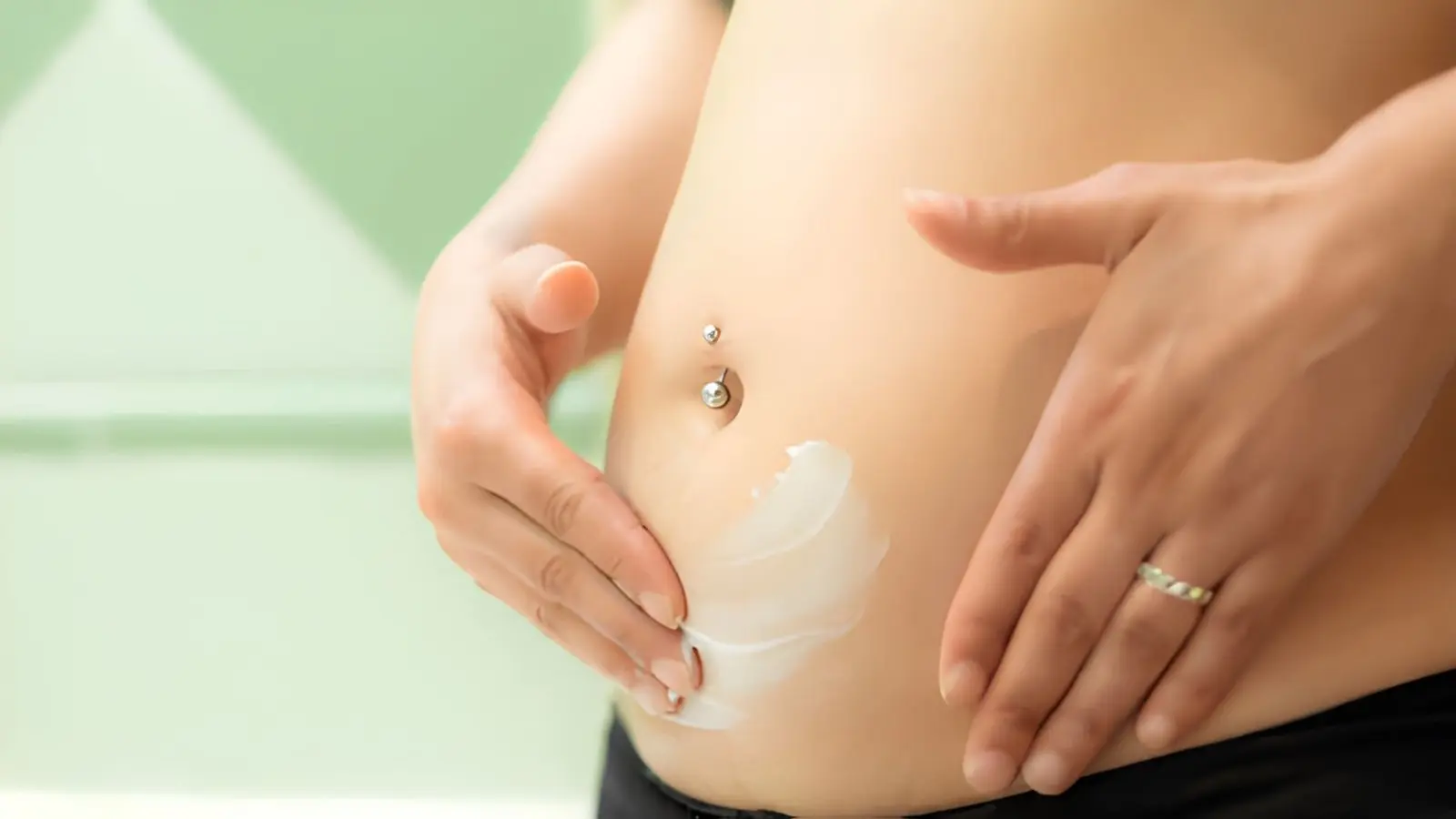
Stretch marks are a natural response to skin stretching, and they can appear on areas that change most during growth or weight shifts. With the right care, skin can gradually settle, feel more comfortable, and look smoother over time.
So, when is the right moment to start caring? In most cases, when you first notice new lines forming or when the area starts to feel itchy, tight, or dry, it is time to take action. This is when using an ointment for stretch marks can help prevent irritation and support skin recovery.
Early, consistent care supports comfort and can help the marks look less noticeable as the skin remodels. In this blog, we will look at what causes stretch marks, how ointments support the skin, and how to use them effectively.
What Causes Stretch Marks
Stretch marks occur when the skin stretches faster than the deeper support fibres can adjust. The dermis, which contains collagen and elastin, helps maintain the skin’s firmness, flexibility, and resilience. When stretching happens quickly, small tears can develop in these fibres. The body then repairs the area, and that healing process creates the lines you see.
Common triggers include pregnancy, puberty-related growth spurts, weight gain or loss, muscle building, and hormonal changes. Genetics also plays a part, so if close family members have stretch marks, you may be more likely to develop them.
Stretch marks are not a sign of something gone wrong. But they are simply the skin’s natural response to rapid physical activity.
How Ointments Work on Stretch Marks
An ointment for stretch marks works mainly by supporting the skin barrier and improving hydration. Ointments usually have a richer texture than lotions, which helps seal moisture into the skin. This matters because well-hydrated skin tends to feel more comfortable, look smoother, and handle everyday movement with less irritation.
Ointments do not “erase” stretch marks overnight because they sit deeper in the skin. Still, consistent use can help in a few useful ways, such as:
- It can reduce dryness and itchiness, which often show up when new stretch marks are forming.
- They can support surface smoothness, making the marks look less textured in certain lighting.
- Many ointments include ingredients that support skin elasticity and a more even appearance over time.
Choosing the Right Ointment for Your Needs
Not every product suits every skin type, so choosing the right ointment for stretch marks is about comfort, consistency, and ingredient fit. Start by thinking about your skin and your routine.
Choosing the right formula starts with how your skin feels day to day. If dryness is your main concern, look for barrier-supporting ingredients such as sodium hyaluronate, tocopheryl acetate, or hydrolyzed collagen. These ingredients help lock in moisture, support skin elasticity, and reduce tightness.
Some products also include botanical extracts, peptides, or centella, which are often used to support skin comfort and the look of skin as it remodels.
If you are pregnant or breastfeeding, check label guidance before adding active ingredients. A simple, moisturising ointment for stretch marks is usually easier to maintain during this stage because it supports comfort without complicating your routine.
How to Apply Ointment Correctly
A simple, repeatable routine makes an ointment for stretch marks easier to stick to and more effective over time.
- Apply an ointment for stretch marks to clean or dry skin.
- Take a small amount and apply it as a thin layer to the area.
- Spread it evenly across the stretch mark area, including the edges where new lines may appear.
- Massage in gentle circular motions to improve absorption and coverage.
- Use it twice daily, preferably once in the morning and evening.
Realistic Timeline and Expected Results
It is helpful to think of stretch marks as a gradual change in skin rather than something that disappears quickly.
Newer stretch marks, also known as striae rubrae, which may look red, purple, or dark, often respond better to early care because the skin is still actively repairing. With consistent use, many people notice the area looks different within 4 weeks.
Older stretch marks, also known as striae albae, which are lighter and more settled, can still improve in texture and overall appearance. But these changes tend to be slower.
A practical timeline is to give your routine at least 12 weeks of continuous use before judging results. Take a quick photo once a month in the same lighting. Small improvements are easier to see that way than through daily checking.
Supporting Lifestyle Habits that Improve Effectiveness
Topical care works best when your skin has the support it needs from everyday habits. If you are using an ointment for stretch marks, pair it with simple steps that help your skin stay resilient. These are:
- Drink enough water each day to support skin comfort and reduce dryness.
- Aim for balanced meals, since nutrition supports skin repair over time.
- Include protein to support collagen structure and firmness.
- Add vitamin C-rich foods to support collagen formation.
- Include healthy fats to support the skin barrier and reduce dryness.
- Choose breathable fabrics to minimise friction in high-movement areas such as the thighs and hips.
- Use sun protection on exposed areas, since tanning can make stretch marks look more noticeable.
- If you’re also dealing with acne scars, incorporating an acne scar gel into your skincare routine can help promote clearer-looking skin.
A Simple Routine that Helps Your Skin Feel More Like You
The best time to start using an ointment for stretch marks is early, as soon as you notice new lines forming or the skin feels tight, itchy, or dry. Ointments support hydration, comfort, and surface smoothness, which can help stretch marks look less noticeable as the skin settles.
The biggest difference comes from consistency, so choose a formula you genuinely like using, apply it correctly, and give your skin time to respond. If you prefer well-known skincare options, many brands, such as Mederma, can be incorporated into daily routines for visible results.
With consistent care, realistic expectations, and supportive lifestyle habits, skin can become more comfortable over time and stretch marks may gradually fade.
Also Read