
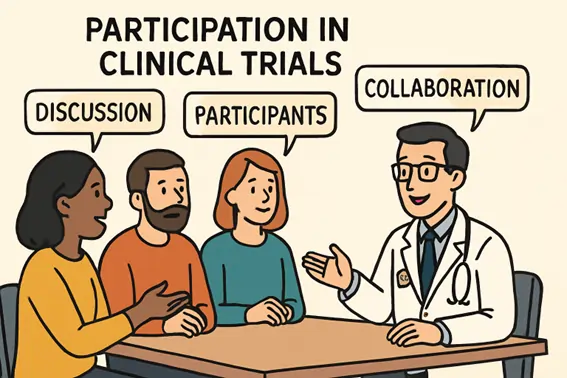
Clinical trials play a vital role in bringing new medical breakthroughs to patients and improving healthcare outcomes for all. However, many people hesitate to join a trial due to uncertainties and widespread myths about what participation entails. By gaining a better understanding of the process, requirements, and benefits, individuals can make informed decisions about participating in clinical trials for drugs and other medical innovations.
Participating in a clinical trial may seem intimidating at first, but it offers unique opportunities that extend far beyond access to emerging treatments. Not only can enrollees potentially benefit from the latest medical advancements, but they also receive detailed medical monitoring and care throughout the study. Most importantly, every clinical trial participant plays a key role in advancing knowledge and solutions that may save or improve countless lives in the future.
While questions about safety, eligibility, and the use of placebos often arise, the reality of clinical trials is one of rigorous oversight, transparency, and ethical safeguards. Understanding the clear paths within these research efforts can help individuals become empowered contributors to the future of medicine.
Learning more about the step-by-step journey through a clinical trial can help dispel misconceptions and encourage greater community participation. For additional background on how medical studies inform public health, the NIH offers in-depth resources on clinical research.
Understanding Clinical Trials
Clinical trials are research studies designed to test the safety and effectiveness of new medical interventions, including medications, devices, or treatment methods. Conducted in carefully defined phases, each study phase addresses specific questions and regulatory requirements to ensure that only the safest and most effective treatments ultimately reach widespread use. Trials can range from small-scale initial studies to extensive multicenter investigations involving thousands of participants.
Rigorous protocols govern every clinical trial, with oversight from medical experts and regulatory authorities to ensure the protection of participants’ health and rights. This methodical approach ensures that new treatments are backed by solid evidence before being recommended for general clinical practice. For a detailed breakdown of the phases and types of clinical research, visit the National Cancer Institute’s clinical trial guide.
Eligibility and Enrollment
Each clinical trial specifies a set of eligibility criteria, such as age, gender, health status, and medical background. These criteria protect participants’ well-being and help generate reliable data. Prospective volunteers undergo a screening process that may include interviews, medical examinations, and laboratory tests. This screening phase determines whether an individual is a suitable candidate for the study, based on its scientific objectives.
Enrolling in a clinical trial does not guarantee access to investigational treatments. Instead, qualifying participants are placed into appropriately defined study groups. This step helps ensure that results are as accurate and unbiased as possible.
The Role of Informed Consent
Ethical guidelines require all clinical trial volunteers to undergo an informed consent process before participating in the study. This process provides comprehensive details about the research’s intent, methods, potential risks, and anticipated benefits. Participants are encouraged to ask any questions, and only when they are entirely comfortable and informed do they sign the consent form, confirming their voluntary participation.
Informed consent is not a one-time event but an ongoing dialogue. If new information arises during the trial, participants are informed and have the right to withdraw their consent at any time, for any reason, without any negative impact on their standard of care.
Participation Process
After enrollment, participants follow a detailed research protocol. This may involve regular visits to the clinic, taking specific medications, undergoing particular tests, or adopting new health routines. Throughout the study, clinical staff closely monitor participants for any side effects or changes in health, ensuring safety and recording valuable data. Frequent check-ins and health assessments are standard, offering peace of mind and attentive care for participants.
It’s important to highlight that participation is always voluntary. Individuals can choose to leave a clinical trial at any stage without penalty, and their information remains confidential.
Benefits of Participation
- Access to New Treatments: Participants can potentially benefit from novel therapies years before they become widely available.
- Comprehensive Care: Clinical trial involvement often comes with regular monitoring, advanced diagnostics, and enhanced medical oversight.
- Help Advance Science: Each participant directly contributes to medical research, helping to bring new, better treatments to future patients and communities worldwide.
Addressing Common Misconceptions
Placebo Concerns
A common myth is that participants may receive no treatment at all. In reality, many studies use “active controls,” comparing new drugs with the best available existing therapy rather than an inactive placebo. Placebos are typically reserved for cases where no proven treatment exists.
Safety and Oversight
Stringent ethical and safety standards are in place for every clinical trial. Independent review boards (IRBs), regulatory bodies, and regular safety assessments ensure the highest levels of participant protection.
Eligibility Diversity
Trials need diverse volunteers to generate results that reflect real-world patient populations. Individuals from all backgrounds and walks of life are encouraged to seek information about trials for which they may qualify.
How to Find Clinical Trials
Those interested in participating in a clinical trial have several resources available:
- Online Registries: Searchable databases, such as ClinicalTrials.gov, list ongoing studies across diverse regions and specialties.
- Physicians: Many primary care doctors and specialists are familiar with current trials and can recommend reputable options to their patients.
- Advocacy Groups: Patient-focused organizations often publicize opportunities related to specific diagnoses or health issues.
Conclusion
By understanding the precise steps and safeguards involved in clinical trials, potential participants can confidently weigh the possible benefits and responsibilities. Participation offers early access to promising treatments and expert medical care, while advancing science for the benefit of future generations. Being informed and engaged helps each volunteer make a significant contribution to the future of medicine.
Read more: Top Window Blinds Trends for 2026: Blending Style, Technology, and Sustainability
The Role of Early Wage Access in Improving Employee Wellbeing