
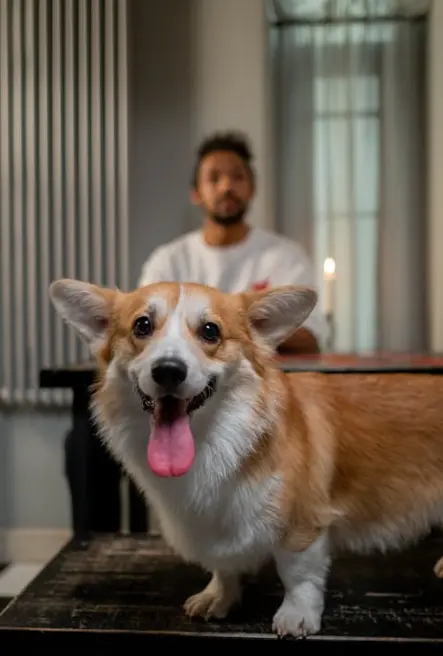
Traveling with pets isn’t just about packing their favorite toy and hitting the road, it requires thoughtful planning and genuine attention to their unique needs. Whether you’re planning a cross-country road trip, a quick weekend escape, or even a flight somewhere new, your pet’s health deserves to be front and center. The thing is that travel presents challenges for animals that we humans don’t always think about right away. But when you take proactive steps and really pay attention to the details, you can transform what might be a stressful ordeal into an adventure you’ll both remember fondly. Everything from that pre-trip vet visit to keeping water readily available along the way plays a role in protecting your furry friend’s well-being during the journey.
Pre-Travel Veterinary Consultation and Health Documentation
Getting your pet to the vet about two to four weeks before you leave should be at the top of your to-do list. This isn’t just a formality, it’s your chance to make sure your companion is actually ready for the road ahead. During this visit, your veterinarian will evaluate their overall health, update vaccinations that might have lapsed, and discuss any concerns specific to where you’re headed. It’s also the perfect time to review their medical history, talk about current medications, and address any chronic conditions that could need extra attention while you’re away from home.
Choosing the Right Travel Carrier and Comfort Essentials
The carrier or crate you choose really does make or break your pet’s travel experience, no matter how you’re getting from point A to point B. You’ll want something well-ventilated and sturdy, but most importantly, it needs to be spacious enough that your pet can stand up, turn around, and stretch out without feeling like they’re in a shoebox. Flying? Double-check that your carrier matches the airline’s specific requirements for size, materials, and security features before you get to the airport. Here’s a tip that makes a huge difference: introduce the carrier gradually at home, turning it into a positive space with treats, favorite toys, and short practice runs.
Maintaining Proper Hydration and Nutrition During Transit
Keeping your pet hydrated throughout the trip isn’t just important; it’s essential for their health and comfort. On road trips, make it a point to offer fresh water every couple of hours, timing these breaks with quick stops for stretching and bathroom needs. If you’re flying or dealing with situations where regular bowls might tip over, collapsible water containers or no-spill travel bowls that clip onto carriers are lifesavers. Here’s something that surprises people: feeding your pet a big meal right before you leave actually increases the chances they’ll get motion sickness or deal with an upset stomach.
Managing Temperature and Environmental Safety
Temperature control matters more than most people realize, since pets are remarkably vulnerable to heatstroke, hypothermia, and other temperature-related problems when traveling. This should go without saying, but never, and we mean never, leave your pet alone in a parked car. Even on days that feel just mildly warm, interior temperatures can skyrocket dangerously within minutes, even with windows cracked. When you’re driving, make sure air is circulating well and the temperature stays comfortable, but don’t aim vents directly at the carrier since constant drafts can be uncomfortable. Keep a close eye on your pet for any warning signs like excessive panting, drooling, unusual lethargy, or behavior that just seems off. Before embarking on any journey, professionals who need to ensure their pets look and feel their best often schedule services like dog grooming in Newnan, GA to help their companions travel comfortably and confidently. Take some time to research what you’ll encounter at your destination, climate differences, altitude changes, high pollen counts, or local hazards like toxic plants and wildlife all deserve consideration. Whenever possible, plan your travel for cooler times of day, skipping those brutal afternoon hours that make the heat even harder on temperature-sensitive animals.
Exercise, Bathroom Breaks, and Stress Management
Your pet needs regular chances to move around and take care of business, especially during longer trips. Aim for stops every two to three hours during road travel so they can stretch their legs, relieve themselves, and release some of that pent-up nervous energy that builds during confinement. Even if your pet usually behaves perfectly, always use a leash or harness during these breaks, new surroundings can trigger reactions you wouldn’t expect, and the last thing you need is a frightened pet bolting into traffic. Look for rest stops with designated pet areas or quieter grassy spots where your companion can safely sniff around and explore under your watchful eye.
Conclusion
Keeping your pet healthy during travel really comes down to preparation, attentiveness, and a genuine commitment to putting their needs first throughout the journey. When you implement these strategies, getting that vet checkup done early, choosing the right carrier, staying on top of hydration and feeding, managing the environment carefully, and building in regular exercise breaks, you dramatically reduce the stress and health risks that travel can bring. Remember that your pet is an individual with their own personality, health quirks, and comfort preferences that might require you to adjust these general guidelines. The time and effort you invest in proper preparation doesn’t just protect them in the moment, it actually helps build positive associations that make future trips smoother and less stressful for both of you.
Also Read