
Table of Contents
- Why Regular Roof Inspections Are Essential
- When to Schedule Roof Inspections
- Conducting a Ground-Level Inspection
- Checking for Common Roof Issues
- Inspecting Roof Penetrations
- Assessing Gutters and Downspouts
- Interior Signs of Roof Damage
- When to Call a Professional
Maintaining the integrity of your roof is one of the most crucial tasks for homeowners seeking to protect their homes from severe weather and natural wear. Regularly checking your roof’s condition not only prolongs the lifespan of roofing materials but also helps homeowners avoid costly repairs in the future. For expert advice and professional maintenance, consulting a trusted residential roofing company can provide added peace of mind and ensure industry best practices are followed.
Roof inspections can help identify minor defects before they develop into more significant structural problems. While many aspects of a roof can be observed from the ground, certain warning signs require careful attention, especially after storms or high winds. By familiarizing yourself with the basics of roof inspection, you can perform routine checks that contribute significantly to your home’s overall safety and value.
Regular inspection isn’t just about visual checks. Understanding the most vulnerable elements—like flashing, gutters, and interior signs—is crucial. By knowing what to look for and when to call in professionals, homeowners can stay ahead of major roof issues while ensuring warranty coverage and insurance claims will be honored if the need ever arises.
Whether you’re a new homeowner or simply want to stay proactive in property maintenance, this guide offers a practical, step-by-step approach to inspecting your roof and maintaining its health over time.
Why Regular Roof Inspections Are Essential
Regular roof inspections are crucial for detecting potential issues early, such as leaks, missing shingles, or deteriorating flashing. Addressing these problems promptly can help homeowners avoid major repairs or even a full roof replacement. According to the National Roofing Contractors Association, routine inspections not only protect the structure of your home but also can extend your roof’s life by several years.
When to Schedule Roof Inspections
Experts recommend performing roof inspections twice a year—once in the spring and once in the fall. Inspections are especially crucial after extreme weather conditions, such as heavy rainfall, hailstorms, or snowstorms, which can damage roofing materials and expose vulnerable areas. Scheduling regular checks ensures that any damage from the changing seasons is addressed promptly, reducing the risk of leaks and water intrusion.
Conducting a Ground-Level Inspection
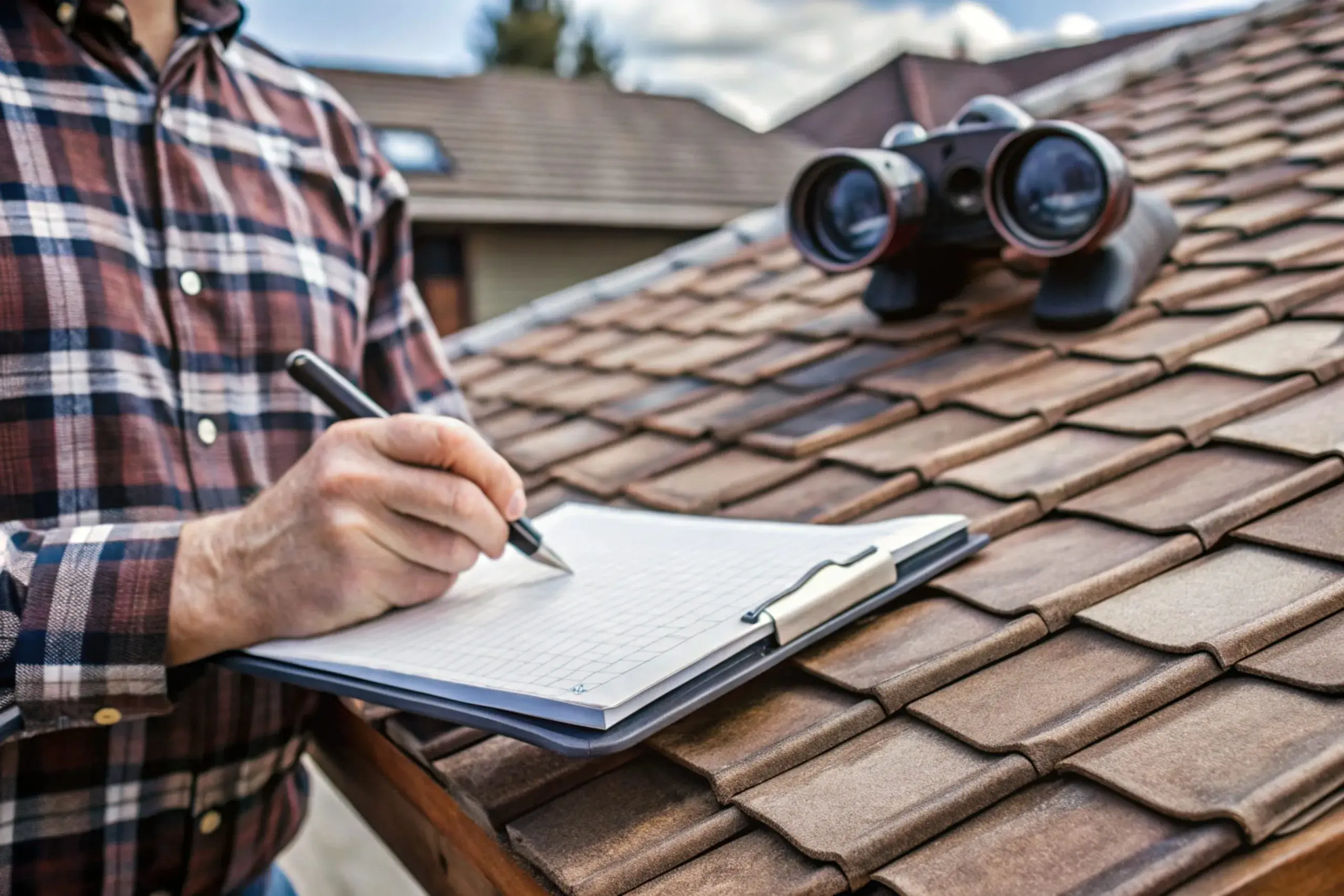
Start your inspection by examining the roof from the ground. Look for obvious signs of structural sagging, missing or broken shingles, and areas where the roofline dips or bulges. Notice any changes in the consistency of shingle color as this could indicate water damage or moss/algae growth. Binoculars can help you get a closer look at hard-to-see areas without climbing on the roof, enhancing safety while still gathering essential information.
Checking for Common Roof Issues
When inspecting your roof, be on the lookout for commonly occurring issues, such as cracked, curled, or buckling shingles, as well as the buildup of moss or algae. Moss can trap moisture, causing shingle surfaces to lift and rot. Algae may not be as structurally harmful, but both indicate that the roof is retaining moisture—never a good sign.
Inspecting Roof Penetrations
Any section of the roof where a chimney, vent pipe, or skylight protrudes is called a ‘penetration’—and these spots are especially prone to leaks. Carefully check the flashing around these features for visible signs of rust, lifting, or separation. If you notice gaps, deterioration, or old caulking, repairs should take priority to prevent water from entering. Professional recommendations highlight flashing as a common weak point in any roof system.
Assessing Gutters and Downspouts
Gutters and downspouts must be free of leaves, debris, and sediment to carry water away from your home efficiently. Overflowing or clogged gutters can damage your roof’s edge and compromise your home’s foundation. Look for shingle granules accumulating in your gutters, as this often indicates aging or deteriorating shingles. Make cleaning and maintaining these channels a routine task to protect both your roof and exterior walls.
Interior Signs of Roof Damage
While many problems are visible from the outside, interior checks are just as important. Inside your home, water stains on ceilings or walls, dark streaks, or peeling paint are some of the most apparent indicators of a leaky roof. Don’t forget to inspect your attic for damp areas, mold, or visible daylight through roof boards—these are clear signs that water is finding its way inside, warranting immediate attention.
When to Call a Professional
Even the most diligent homeowner should schedule annual roof inspections with a certified professional. Experts have the training to spot subtle or hidden issues that may not be evident during a walk-through. They also possess the necessary tools and experience to inspect steep or inaccessible roof areas safely. If your inspections reveal persistent leaks, structural sagging, or damage that exceeds your comfort level in terms of repair, professional help will ensure your roof is properly maintained and safe.
By following these roof inspection tips and maintaining a regular inspection schedule, you can avoid unexpected repairs, extend your roof’s lifespan, and ensure your home remains a secure, weatherproof haven for years to come.
Conclusion
Regular roof inspections play a vital role in preserving your home’s structural integrity, preventing costly damage, and extending the lifespan of your roofing system. By staying attentive to seasonal changes, checking for common problem areas, and addressing small issues early, homeowners can significantly reduce the risk of leaks and unexpected repairs. Combining routine self-inspections with periodic professional evaluations ensures that hidden concerns are identified and resolved safely. Ultimately, a proactive approach to roof maintenance provides peace of mind, protects your investment, and helps keep your home secure and weather-resistant for years to come.
Also Read-Unique Neon Signs for Home and Business: A Bright Way to Transform Any Space